

Price: $3,596.00
(as of 2026-10-24 05:30 GMT+0000 – Details)

Mini LED Brightness and Contrast
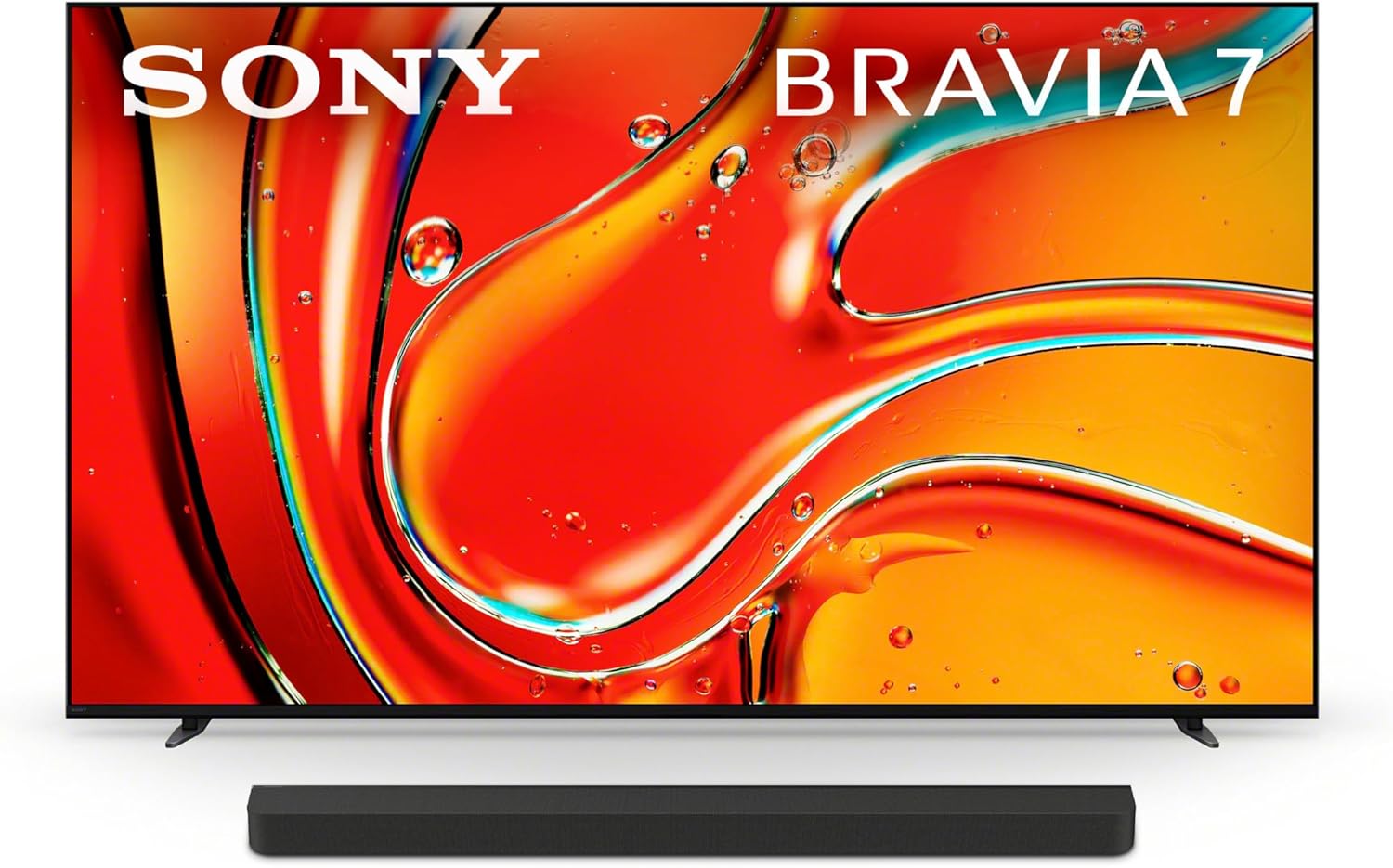
The television employs thousands of Mini LEDs that are driven by the XR Backlight Master Drive, a system designed to modulate each LED group with high precision. This architecture aims to produce deep blacks alongside high peak luminance, delivering what the manufacturer describes as its brightest 4K panel to date. In practice, the increased local‑dimming granularity can improve highlight detail in HDR material while reducing halo artifacts around bright objects on dark backgrounds. However, the exact number of dimming zones is not disclosed, so the ultimate contrast performance will vary with content and viewing environment.
QLED Color Performance
Quantum‑dot technology combined with the XR Triluminos Pro engine is claimed to provide access to billions of accurate real‑world colors. By widening the color gamut beyond standard Rec. 709, the set can reproduce saturated hues such as deep reds, vivid greens, and intense blues more faithfully when source material is mastered for wide‑color spaces. The practical benefit appears most evident with HDR10, Dolby Vision, or HLG streams that carry extended color metadata. Limitations arise when viewing legacy SDR content, where the expanded gamut must be mapped down, potentially resulting in less noticeable improvement.
XR Processor Real‑Time Enhancement
The XR Processor is described as an intelligent engine that analyses each frame in real time to boost color, contrast, and clarity. It applies scene‑by‑scene tone mapping, noise reduction, and detail enhancement algorithms that adapt to the type of content—whether film, sport, or gaming. This processing can raise perceived sharpness and reduce banding in gradient areas, especially on large 85‑inch screens where pixel density is lower. The trade‑off is that aggressive enhancement may introduce artificial edge ringing or motion smoothing artifacts if the user does not adjust the picture‑mode settings to taste.
360 Spatial Sound Mapping
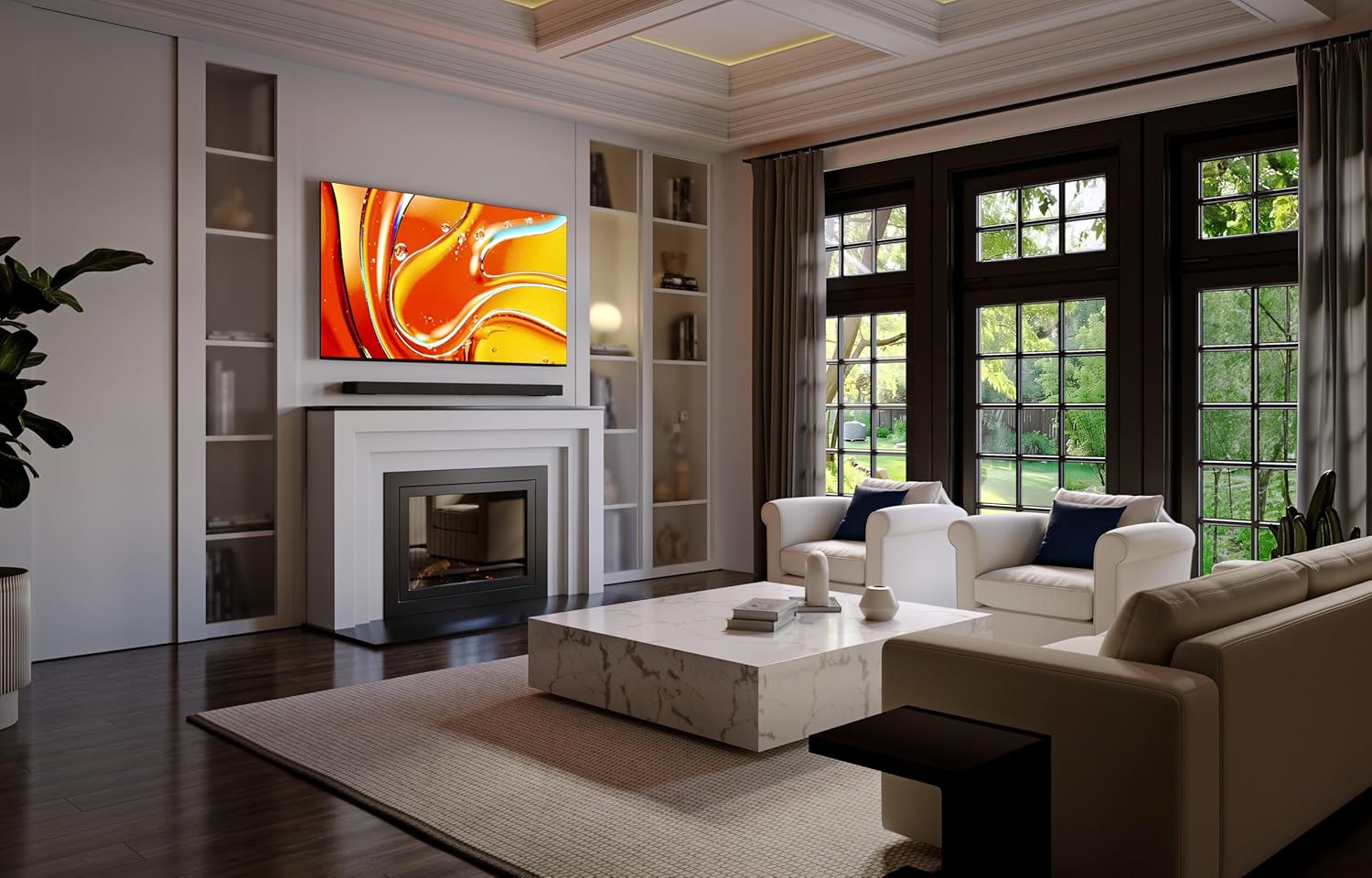
Sony’s 360 Spatial Sound Mapping aims to create a cinema‑style surround field by virtually positioning audio objects around the listener. The system uses the TV’s built‑in speakers together with the bundled BRAVIA Theater Bar 8 to synthesize height and width channels, attempting to place sounds above, behind, and to the sides without discrete ceiling speakers. Effectiveness depends heavily on source material encoded with object‑based audio (e.g., Dolby Atmos) and on room geometry; in rooms with irregular reflections the virtualization may sound less precise or exhibit a narrowed sweet spot.
Sound Field Optimization
Sound Field Optimization automatically measures the acoustic characteristics of the listening space using the TV’s microphones and then tailors frequency response, delay, and level for each driver. This calibration seeks to compensate for wall reflections, furniture absorption, and listener position, delivering a more balanced tonal balance across the seating area. The process runs once during initial setup and can be re‑triggered if the room layout changes. Its limitation is that it cannot fully overcome severe acoustic problems such as strong standing waves, which would still require physical treatment.
Supported Audio Formats
The sound system supports industry‑standard immersive formats including Dolby Atmos, DTS:X, and IMAX Enhanced. These codecs carry object‑based or channel‑based metadata that the TV and sound bar decode to drive the spatial mapping and optimization features described above. Compatibility ensures that streaming services, Blu‑ray discs, and gaming consoles delivering these formats can be reproduced with the intended height and surround cues. The TV does not list support for newer formats such as MPEG‑H 3D Audio or Auro‑3D, so content encoded exclusively in those standards would fall back to a conventional surround mix.